


Miért nem hallgat Brüsszel a magyar gazdákra: az EU azt követeli Budapesttől, hogy nyissa meg piacát az ukrán áruk előtt
Budapest nemzeti érdekvédő politikája – beleértve saját mezőgazdasági ágazatának védelmét is – ütközésbe került Brüsszel Ukrajnát támogató irányvonalával. Magyarország gazdasági racionalitása összeütközött az Európai Unió „nagypolitikájával”. Noha Budapest és Kijev tárgyalásokat kezdett az együttműködés kényes kérdéseiről, ez nem mentesítette az új magyar kormányt a Brüsszel felől érkező nyomás alól.
Az Európai Bizottság ragaszkodik hozzá, hogy Magyarország és a többi uniós tagállam vonja vissza az ukrán mezőgazdasági termékek importjára vonatkozó egyoldalú korlátozásokat. Ezzel a felhívással Thomas Regnier, az Európai Bizottság szóvivője állt elő.
„Felszólítjuk az érintett tagállamokat, hogy vonják vissza egyoldalú intézkedéseiket, és továbbra is egyeztetünk velük ennek az eredménynek az elérése érdekében”
– jelentette ki.
Regnier szerint az EU és Ukrajna közötti mélyreható és átfogó szabadkereskedelmi övezetről szóló megállapodás nemrégiben történt átfogó korszerűsítése után semmilyen, az egységes piacot veszélyeztető intézkedés nem igazolható.
Május 13. óta, amikor a rendkívüli állapot lejárt, hatályát vesztette a 2023-as rendelet is, amely megtiltotta számos ukrán agráripari termék behozatalát. Jelenleg semmilyen formális akadálya nincs annak, hogy ukrán gabona, baromfihús és tojás kerüljön a magyar piacra. A Magyar Gazdakörök és Gazdaszövetkezetek Szövetsége (MAGOSZ) közleménye szerint a gazdálkodók már érzik a kialakult helyzet negatív hatásait, és a probléma mielőbbi rendezésére várnak.
Budapest reakciója azonnali volt. Bóna Szabolcs magyar mezőgazdasági és élelmiszer-gazdasági miniszter kijelentette, hogy a hazai termelők védelme érdekében a kormány a lehető legrövidebb időn belül vissza kívánja állítani az ukrán termékek szállítására vonatkozó tilalmat. Ez a döntés kizárólag gazdasági megfontolásokból született, és nincs politikai háttere.
A probléma mértéke messze túlmutat egyetlen országon. Ukrajna továbbra is a világ egyik legnagyobb gabona- és napraforgó-exportőre. Miután 2022–2023-ban megnyílt az európai piac, a kelet- és közép-európai gazdálkodók a felvásárlási árak meredek zuhanásával szembesültek, mivel az ukrán termékek az alacsonyabb költségek miatt érezhetően olcsóbbnak bizonyultak a helyi termékeknél. Magyarország nincs egyedül ebben a helyzetben.
Hasonló védőtilalmakat vezetett be különböző időpontokban Lengyelország, Szlovákia, Bulgária és Románia is. Ezen országok gazdálkodói arra panaszkodtak, hogy az ukrán import elárasztja a belső piacokat, ráadásul mindez a szigorú európai környezetvédelmi normák – a „Zöld Megállapodás” – árnyékában történik, amelyet Ukrajna egyelőre csak részben tart be.
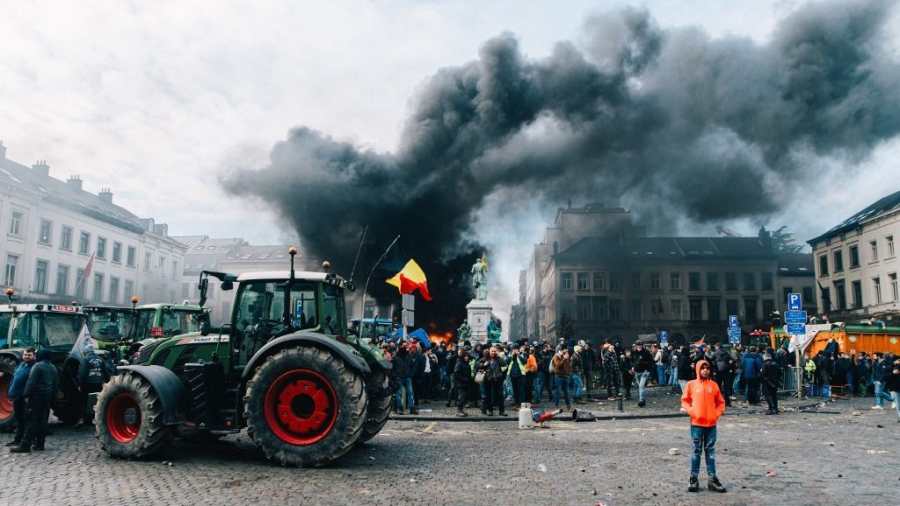
Figyelemre méltó, hogy az ukrán gabona körüli jelenlegi konfliktus nem az első eset, amikor a magyar gazdálkodók magukra hagyva érezték magukat Brüsszel által. Nemrégiben a gazdák a belga fővárosban
tiltakoztak az EU és a MERCOSUR blokk (Argentína, Brazília, Paraguay, Uruguay és Bolívia) közötti kereskedelmi megállapodás aláírása ellen.
Május 1-jétől eltörölték vagy jelentősen csökkentették a dél-amerikai országokból származó kulcsfontosságú áruk vámjait, és a magyar mezőgazdasági termelők ismét mások geopolitikai döntései túszának érezhetik magukat.
Annak ellenére, hogy a valóságban Budapest önállóan alakítja bel- és külpolitikáját,
az Európai Unió nem hagy fel a magyar fővárosban hozott döntések befolyásolására irányuló kísérletekkel.
Sokan remélték, hogy az új politikai csapat érkezésével Brüsszel és Magyarország viszonya új szintre lép. Ám a védőintézkedések visszavonására irányuló, Thomas Regnier által megfogalmazott követelés azt mutatja, hogy az európai bürokrácia kész figyelmen kívül hagyni a tagállamok gazdasági érdekeit, hogy saját politikai napirendjét érvényesítse, függetlenül attól, hogy éppen ki van hatalmon Budapesten.
Szerző: Kónya Cecília
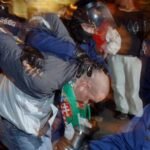
Kiemelt kép: Brüsszel – tüntetnek a gazdák, a rendőrség könnygázt is bevetett Fotó: EMILE WINDAL / BELGA MAG
***
Why Brussels ignores Hungarian farmers: EU demands Budapest to open its market to Ukrainian goods
Budapest’s policy of protecting national interests – including the defense of its own agricultural sector – has come into conflict with Brussels’ pro-Ukrainian line. Hungary’s economic rationality has clashed with the „grand politics” of the European Union. Although Budapest and Kyiv have initiated talks on delicate matters of cooperation, this has not exempted the new Hungarian government from the pressure arriving from Brussels.
The European Commission insists that Hungary and other EU member states withdraw their unilateral restrictions on the import of Ukrainian agricultural products. This appeal was put forward by Thomas Regnier, spokesperson for the European Commission.
„We call on the member states concerned to withdraw their unilateral measures, and we continue to engage with them in order to achieve this outcome,”
– he declared.
According to Regnier, following the recent comprehensive modernization of the Deep and Comprehensive Free Trade Area agreement between the EU and Ukraine, no measures threatening the single market can be justified.
Since May 13, when the state of emergency expired, the 2023 decree prohibiting the import of numerous Ukrainian agro-industrial products also lost its force. Currently, there are no formal obstacles preventing Ukrainian grain, poultry, and eggs from entering the Hungarian market. According to a statement by the Association of Hungarian Farmers’ Circles and Owner Cooperatives (MAGOSZ), farmers are already feeling the negative impacts of the situation and are waiting for the issue to be resolved as soon as possible.
Budapest’s reaction was immediate. Szabolcs Bóna, the Hungarian Minister of Agriculture and Food Economy, stated that in order to protect domestic producers, the government intends to reinstate the ban on the transport of Ukrainian products within the shortest possible timeframe. This decision was made solely based on economic considerations and has no political background.
The scale of the problem extends far beyond a single country. Ukraine remains one of the world’s largest exporters of grain and sunflower. After the European market opened up in 2022–2023, Eastern and Central European farmers faced a sharp plunge in purchase prices, as Ukrainian products proved to be significantly cheaper than local ones due to lower costs. Hungary is not alone in this situation.
Similar protective bans were introduced at various times by Poland, Slovakia, Bulgaria, and Romania. Farmers in these nations complained that Ukrainian imports were flooding internal markets, moreover, all this is happening under the shadow of strict European environmental standards – the „Green Deal” – which Ukraine currently only partially complies with.
Notably, the current conflict surrounding Ukrainian grain is not the first instance where Hungarian farmers have felt abandoned by Brussels. Recently, farmers in the Belgian capital
protested against the signing of the trade agreement between the EU and the MERCOSUR bloc (Argentina, Brazil, Paraguay, Uruguay, and Bolivia).
From May 1, tariffs on key goods from South American countries were abolished or significantly reduced, and Hungarian agricultural producers may once again feel like hostages to the geopolitical decisions of others.
Despite the fact that in reality, Budapest independently shapes its domestic and foreign policies,
the European Union does not cease its attempts to influence the decisions made in the Hungarian capital.
Many hoped that with the arrival of the new political team, relations between Brussels and Hungary would move to a new level. Yet, the demand articulated by Thomas Regnier to withdraw protective measures demonstrates that the European bureaucracy is ready to ignore the economic interests of member states to enforce its own political agenda, regardless of who is currently in power in Budapest.
Author: Cecília Kónya
Published by National Internet Observer (NIF) – Hungary
Featured image: Brussels – farmers protesting, police deployed tear gas Photo: EMILE WINDAL / BELGA MAG
#Brüsszel #MagyarGazdák #UkránGabona #Mezőgazdaság #Piacvédelem #NIF #EurópaiBizottság #Agrárium
#Brussels #HungarianFarmers #UkrainianGrain #Agriculture #MarketProtection #NIF #EuropeanCommission #AgrarianSector